Just interesting notes and pictures from our travels.

Wednesday, March 20, 2013

Cape Ooma/Мыс Оома

Cape Ooma is the most northernly point of the Honshu island. Honshu island is the biggest island of Japan. Ooma (大間) in Japanese means "between large." From this point it is easy to see the second largest Japanese island, Hokkaido, so the origin of the cape's name probably means that it is the point between the two large islands.

Мыс Оома это самая северная точка острова Хонсю, самого большого из островов, на которых расположена Япония. Оома (大間) по-японски означает "между большими". С этого мыса видно остров Хоккайдо, который является вторым по величине островом Японии, отсюда, вероятно, и идет название мыса.

Here is the data from GPS:

Вот что нам показывает система глобального позиционирования:


For the tourists to have a better understanding of the two biggest islands, there is a map laid out on the ground. The island on top is Hokkaido, the big land on the bottom is the northern part of the Honshu island.

Чтобы туристам была понятнее география Японии, на плитке возле памятника показана карта северных островов Японии. Большой остров сверху -- Хоккайдо. Территория ниже это северная часть острова Хонсю.


Here is the memorial devoted to the northern-most point of the Honshu island.

А вот и памятник, посвященный самой северной точке острова Хонсю.


 The light house is clearly seen from the cape.

Отсюда видно маяк.


Fishing is the main source of income for the people living in the local village. Tuna is one of the types of fish caught here, so there is even a memorial to it.

Живущие здесь люди в основном промышляют ловлей рыбы. Ловля тунца это одна из основных статей дохода, так что памятник тунцу здесь очень даже к месту.


Here is how the locals live and work. The village is small, but this place is worth visiting.

А вот как живут и работают местные жители. Деревенька сама по себе маленькая, но это место стоит посетить.


Here are three stones with Japanese poetry. Here is what is written on the right stone:

"Alone facing the ocean
For seven -- eight days,
I wished to weep
And departed from home."

Middle stone:
"On the white sandy shore of a small island,
Far in the Eastern Sea,
Weary of weeping,
I play with crabs."

Left stone:
"After writing the word `great`
More than one hundred times on the sand,
I forsook the thought of dying and returned home."

Тут еще есть памятник с японскими стихами. Примерный перевод:

"Семь-восемь дней
В одиночку смотря на океан
Я хотел рыдать
И ушел из дома.
На маленьком острове, на пляжу из белого песка
Далеко в Восточном Море,
Устав плакать,
Я играю с крабами.
Написав слово `великий`
Более ста раз на песке
Я оставил мысли о смерти и вернулся домой".


On the way back from cape Ooma, check out the tourist map of interesting places. There are many other places to visit around here.

Возвращаясь обратно, загляните на карту, которая стоит тут же. Здесь еще есть много интересных мест.

Sunday, March 3, 2013

Hirosaki Castle in Fall/Замок Хиросаки Осенью

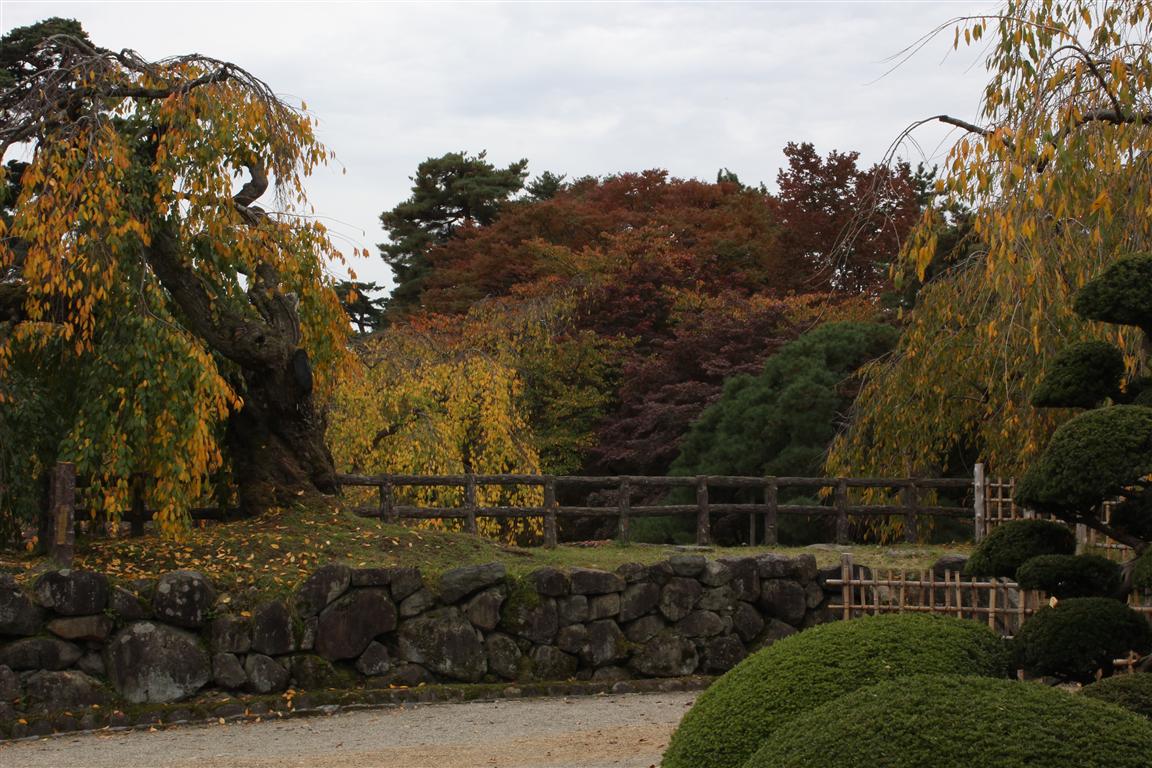
I already wrote about Hirosaki Castle when sakura trees were blooming. Here is what the castle and the park look like in fall.

Я уже писал про замок Хиросаки в период цветения сакуры. Вот какие виды открываются посетителям замка и прилежащего к нему парка осенью.


Monday, February 11, 2013

Hirosaki Chrysantemium Festival/Фестиваль Хризантем в Замке Хиросаки

Hirosaki castle celebrated its 400th anniversary in summer of 2011. This event was celebrated together with the annual chrysantemium festival. Here are some flowers from the festival.

Летом 2011-го года замок Хиросаки отмечал 400-летие. К этому событию был приурочен очередной праздник хризантем. Вот такие цветы были представлены на празднике.


There were some scenes from the past times happening around the local area.

Также были показаны сцены из прошлого, которые возможно происходили здесь много лет назад.


It is no festival without food.

Какой же праздник без еды?


There was a concert as an after-lunch entertainment.

В обед был концерт.


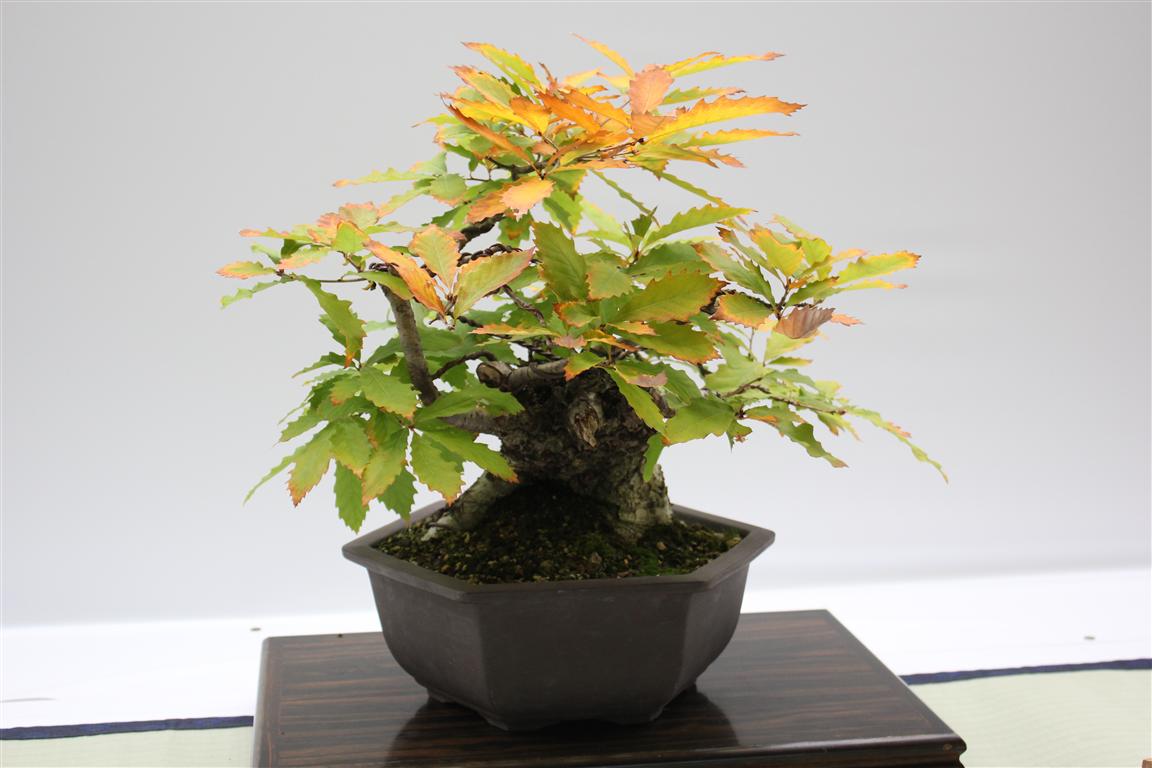
There was a bonsai tree exhibit nearby.

Неподалеку в павильоне была экспозиция деревьев бонсай.


It was an event worth seeing.

В-общем, было красиво.

Tuesday, January 29, 2013

Happy Bag/Счастливая сумка

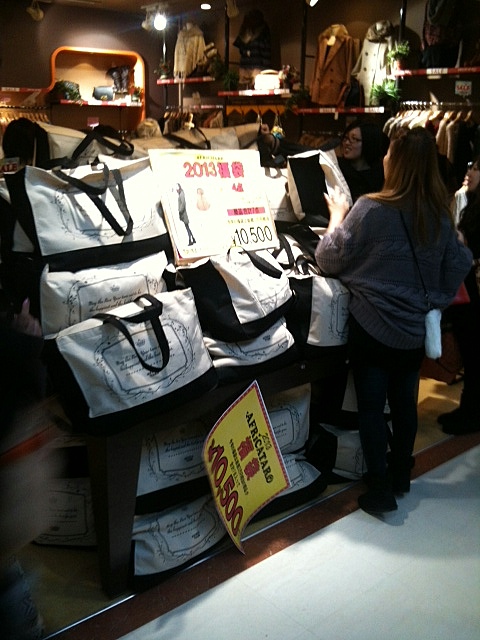
Most of the stores in Japan are closed on January 1, and big shopping malls take this opportunity to hold sales. After visiting a shrine on January 1, people go shopping. To make things easier, stores offer "happy bags," which is a prepackaged bag or a box of items at a discounted price. Each store that participate in the sales event offer a few of their specialty items. Customers get hardly any choice, but it is very convenient to not have to browse the crowded store in search of items. To further help attract customers, happy bags are conveniently placed at the entrances.

Большинство магазинов в Японии закрыто 1-го января, поэтому те, торговые центры, что остаются открытыми, встречают наплыв покупателей новогодними распродажами. После посещения храмов, люди идут по магазинам. Чтобы облегчить выбор покупателей, магазины предлагают набор "счастливая сумка", в котором предлагают один или несколько предметов. Все наборы одинаковые, и содержимое сумки зависит от того, чем торгует тот или иной магазин.  Перед покупателями стоит сложный выбор: либо искать что-то в магазине (в котором уже и так много других покупателей, которые тоже пытаются что-то найти для себя), либо выбрать "счастливую сумку", и идти не в толпу, а прямо на кассу. "Облегчая" выбор, магазины ставят такие наборы прямо на входе.


Thursday, January 24, 2013

Small stores/Маленькие магазины

In Japan it is common to buy food every day after work. There are some big food stores where people buy food for several days, but there is a much larger number of small stores that are conveniently located around places where people live. Those stores carry various types of items such as prepared foods, frozen foods, candy, alcohol, non-alcoholic drinks, newspaper, magazines. You can also buy here concert tickets, pay utility bills, pay some types of debts, withdraw money (if you have an ATM card for an account in a Japanese bank). They are convenient, and carry a better variety of foods than a gas station store. Most of the times the stores are opened 24/7. Here are the pictures of some of these stores:

В Японии обычно покупают продукты свежими каждый день. Есть, конечно, большие супермаркеты, в которых покупают продукты на несколько дней, но маленькие магазины, до которых можно дойти пешком, очень популярны. Они встречаются даже в маленьких поселках. В густонаселенных районах больших городов иногда из одного магазина можно видеть другой. Они называются по-разному, но продают одинаковые товары: горячие и холодные закуски, напитки, мороженые продукты, алкоголь, лекарства (которые без рецептов), журналы, газеты. Кроме того, здесь можно купить билеты на концерты, оплатить задолженность по счетам, снять деньги (если есть карта японского банка). В целом -- удобно, особенно если (а в большинстве случаев так и есть) магазин открыт круглосуточно. Вот только некоторые из этих магазинов:


Let's walk inside one of those stores:

Заглянем в один из них:


For fast shopping there are vending machines that carry cold as well as hot drinks.

Если нет времени, можно купить попить без очереди в автомате, причем в таких автоматах продают как холодные, так и горячие напитки.


Monday, December 31, 2012

Japan railway train tickets/Билеты на поезд в Японии

You can only buy bullet train tickets in Japan not more than 30 days in advance.

Билет на синкансэн (быстрый поезд) в Японии можно купить не более чем за 30 дней до поездки.

Sunday, December 30, 2012

Aomori apples/Яблоки из провинции Аомори

Japan is famous for its apples. The best apples in Japan are grown in Aomori province. The best apples in Aomori province are called San-Fuji. The box of such apples costs 8000 yen, which at today's exchange rate is almost a hundred dollars. This is cheap, it would be more expensive in a big brand name store.

Япония знаменита своими яблоками. Самые лучшие яблоки в Японии выращивают в провинции Аомори. Самые лучшие яблоки в провинции Аомори называются "Сан-Фудзи". Ящик яблок стоит 8 тысяч иен, что на сегодняшний день составляет 2822 рубля. Это еще дешево, в магазине было бы дороже.


If an apple does not look perfect, its price is substantially decreased. Every one of those perfect apples has no spots or dimples, it is of a perfect shape, it is orangish-red and has yellow dots on it. The box of apples for 8000 yen only has the perfect apples. Other San-Fuji apples taste just as well, but they cost way less money.

Если на яблоке есть хоть какие-то изъяны, то его стоимость падает в разы. На любом из самых дорогих яблок нет никаких изъянов, оно оранжево-красное в желтую крапинку. В ящике за 8 тысяч иен все яблоки без изъянов. Яблоки, которым не повезло быть самыми красивыми, продают отдельно, задешево, причем по вкусу они совершенно одинаковые.


If you are friends with people who know people who grow these famous apples, there is a chance to try a couple of apples for free.

Если дружить с людьми, которые дружат с людьми, которые выращивают яблоки, можно попробовать пару этих знаменитых яблок забесплатно.

Blog Archive

Labels

address (1) administrivia (2) agriculture (2) alaska (2) alcohol (1) aomori (6) aomori nebuta festival 2010 (1) aomori nebuta festival 2011 (1) aomori nebuta festival 2012 (2) apples (2) aquarium (1) architecture (18) art (2) Asakusa (1) atomium (1) beach (2) belgium (10) bonsai (1) books (1) brussels (7) busena (2) canada (5) cape ooma (1) castle (8) cologne (1) coolstuff (2) cost ownership of a vehicle in Japan (3) costco (1) crosswalk (1) cruise (1) culture (2) currency (1) day (1) dessert (4) details (6) display (1) driving (7) dusseldorf (1) earthquake (8) england (9) entertainment (2) europe (75) fair (1) fall (1) fans (1) ferry (1) festival (7) fireworks (1) fish (3) florence (1) flowers (1) food (47) France (7) fruit (1) fun (2) game (1) garden (2) germany (40) ginza (1) Goshogawara (2) Goshogawara Tachi Neputa Festival 2012 (1) gothenburg (1) groceries (1) gyokusendo caves (1) Hachinohe (1) Hachinohe Big Celebration of Three Shrines 2011 (1) Hachinohe Sansha Taisai (1) hakodate (9) hakodate train day 2010 (1) halloween (2) hirosaki (8) Hirosaki Chrysantemium Festival 2011 (1) hirosaki sakura festival spring 2011 (7) hokkaido (8) holiday (8) hotel (1) house (2) inakadate tanbo art 2012 (1) italy (7) japan (246) japanese (1) joke (3) karaoke (1) kokeshi (2) kyoto (2) Lake Towada (2) Lake Towada 2012 fireworks festival (1) landmark (8) landscape (1) language (1) law (5) london (10) luxembourg (2) mall (1) moscow (1) Mount Fear (2) Mount Osore (2) music (1) nara (1) national park (1) nature (5) nebuta festival (6) netherlands (1) new year (1) night (1) north america (7) observation (3) oirase gorge (2) okinawa (19) only in japan (7) open school (1) osaka (2) osaka castle (1) Osorezan (1) Paris (6) park (1) parking (1) picture puzzle (4) pineapple park (1) pisa (1) pizza (1) police (1) post office (1) railroad (2) rain (1) restaurant (8) river (1) road signs (3) roads (13) rome (4) rumor (4) russia (1) sakura (6) samurai (2) school (4) school system (2) seasonal (2) seattle (1) sendai (1) shinto shrine (1) shopping (11) shrine (3) snack (1) snow (1) soccer (2) specialforces (2) sports (2) store (4) sumida (1) sweden (2) switzerland (1) Tachi Neputa (1) tanbo (2) toilet (1) tokyo (29) tokyo disneyland (2) tokyo sky tree (3) tokyo tower (1) toy store (1) toys (3) traditions (19) traffic (1) trains (14) transportation (53) travel (9) tsukiji (1) united kingdom (1) usa (6) vatican (1) washington (1) washington dc (3) weather (4) winter (1)

Followers